A modern airspace needs the right radars. RTX is ramping up their production.
An expansion in Largo, Florida, will accelerate production of next-generation air traffic surveillance radars
The global airspace is congested and complex – and it’s putting a lot of pressure on radar systems designed for a previous era of flight.
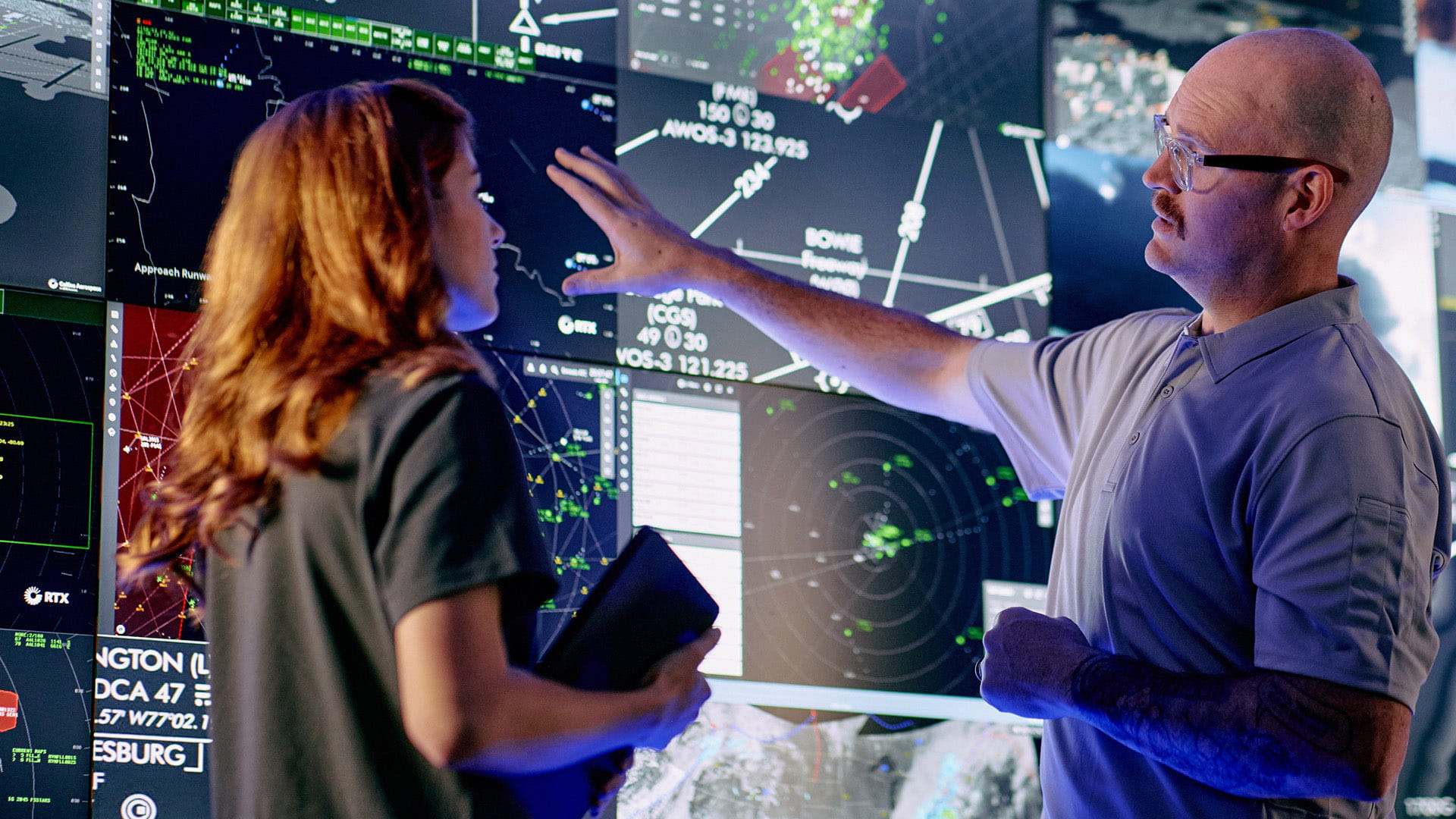
To manage today’s mix of commercial flights, manned military aircraft, UAVs and even space launches, operators need real-time, pinpoint-accurate data showing where aircraft are in relation to one another.
Fast facts
- On average, there are more than 45,000 flights a day in U.S. airspace.
- Traffic is expected to double by 2040.
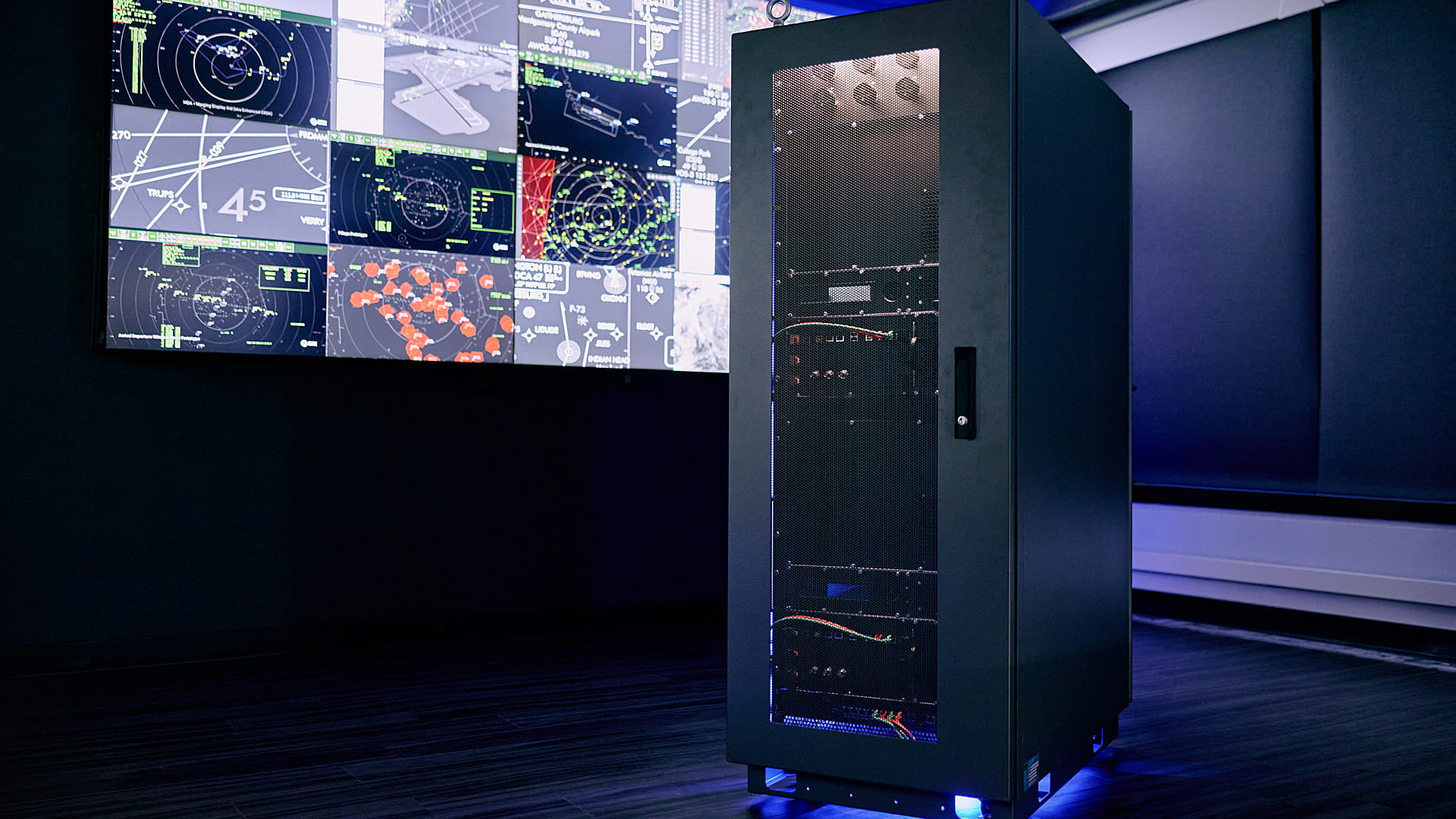
Collins Aerospace, an RTX business, was selected by the Federal Aviation Administration to help accelerate that effort with two radars that are now central to the modernization push: the Condor Mk3 and the ASR-XM. Both will be produced at the Collins site in Largo, Florida, which is undergoing a $26.5 million capacity-expansion project.
Here’s how these radars – and scaling up their production – will make the modern airspace more manageable.
“Customers need secure, interoperable systems for seamless coordination. This expansion strengthens our ability to deliver critical capabilities that keep passengers and aircrews safe.”
Nate Boelkins | President of Avionics | Collins Aerospace
The next generation of Collins radars is designed to give air traffic controllers a more reliable view of the modern airspace than they have today. They’re built to:
- Blend multiple detection technologies to help minimize blind spots as air traffic continues to grow.
- Maintain consistent tracking even in challenging conditions, including severe weather, as well as interference from 5G environments and wind farms.
- Support higher traffic volumes with more precise data – especially as flight patterns become more congested and complex.
- Adapt quickly to new airspace users, thanks to a modular, open-system architecture.
The Condor Mk3 and ASR-XM radars capture aircraft data in very different ways. When paired, the two systems offer air traffic controllers a far more comprehensive view of a congested airspace.
Cooperative radar
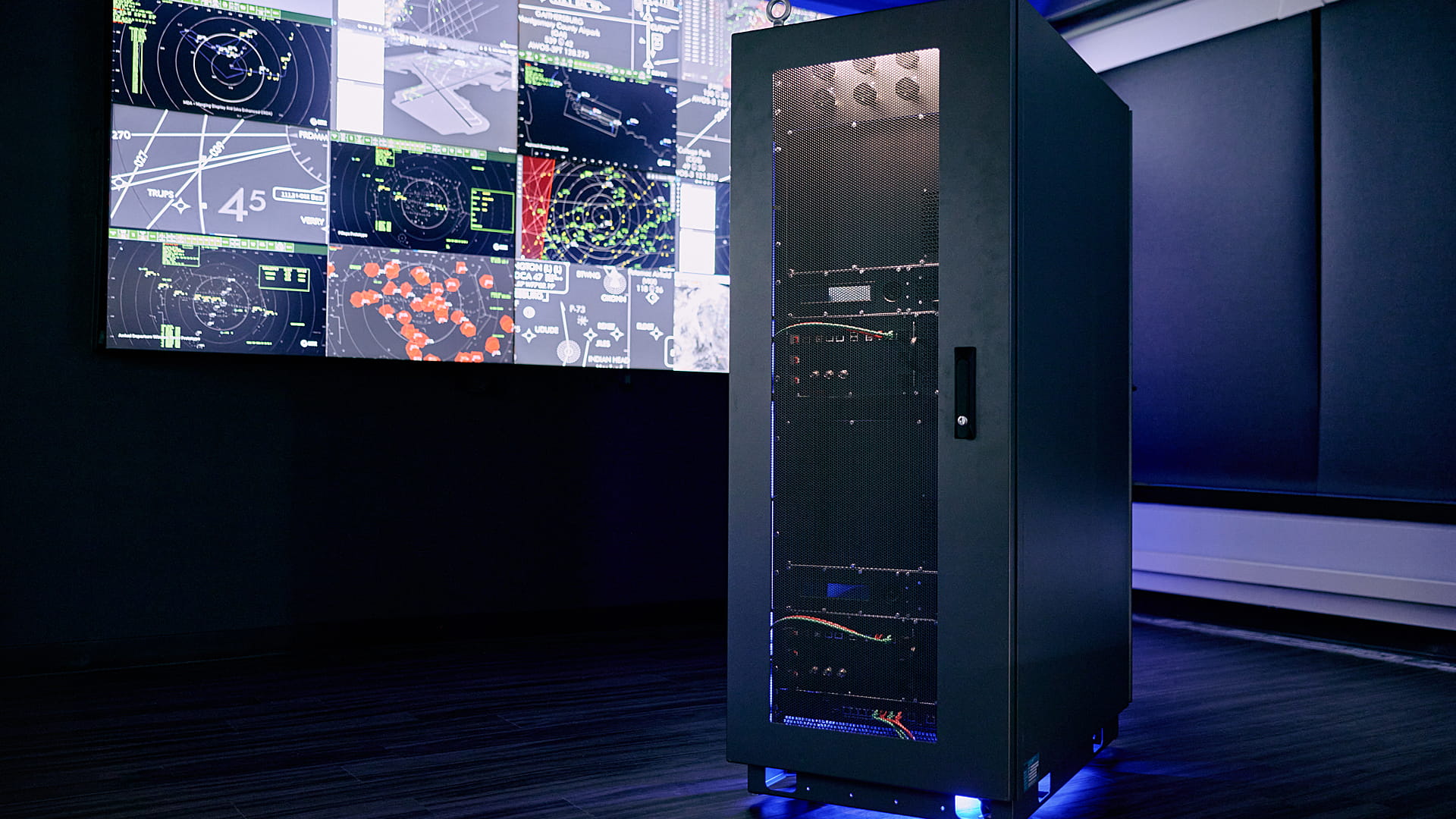
The Condor Mk3 is a cooperative radar, meaning it communicates directly with aircraft transponders.
The Condor Mk3 sends out a signal and receives a clear reply with the aircraft’s identity, altitude and location, giving controllers a dependable snapshot of who and what is in the sky.
Non-cooperative radar
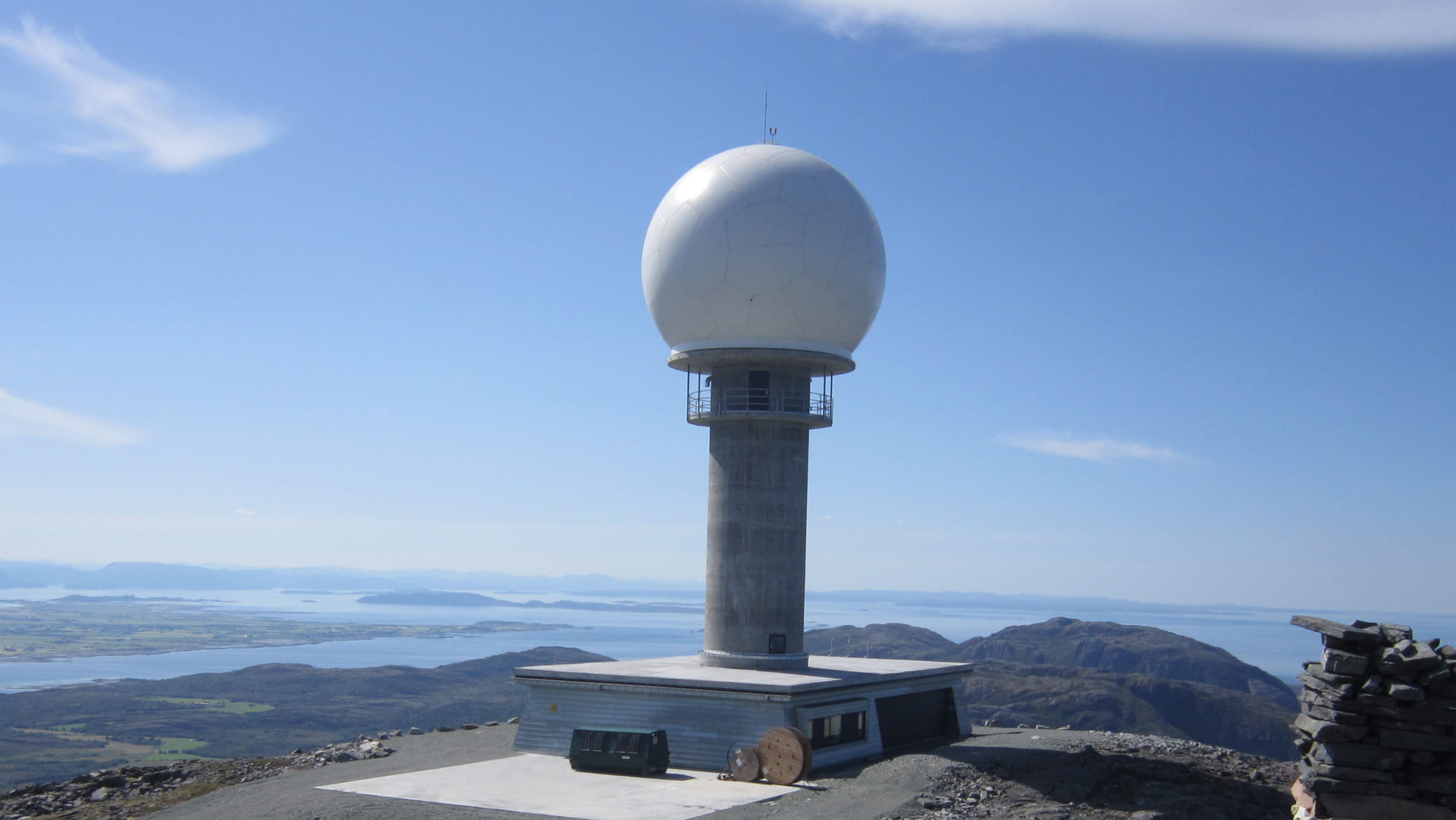
The ASR-XM is a non-cooperative radar, meaning it can see aircraft even without a transponder. Instead, it sends out an RF signal, then detects the reflection of that signal from objects in the airspace.
Even without a transponder signal, the ASR-XM can still reveal an aircraft’s presence.