SPY-6 radar: Delivering proven performance at sea
With their track record growing, production humming and new updates a keystroke away, the radars are ready to protect navies worldwide
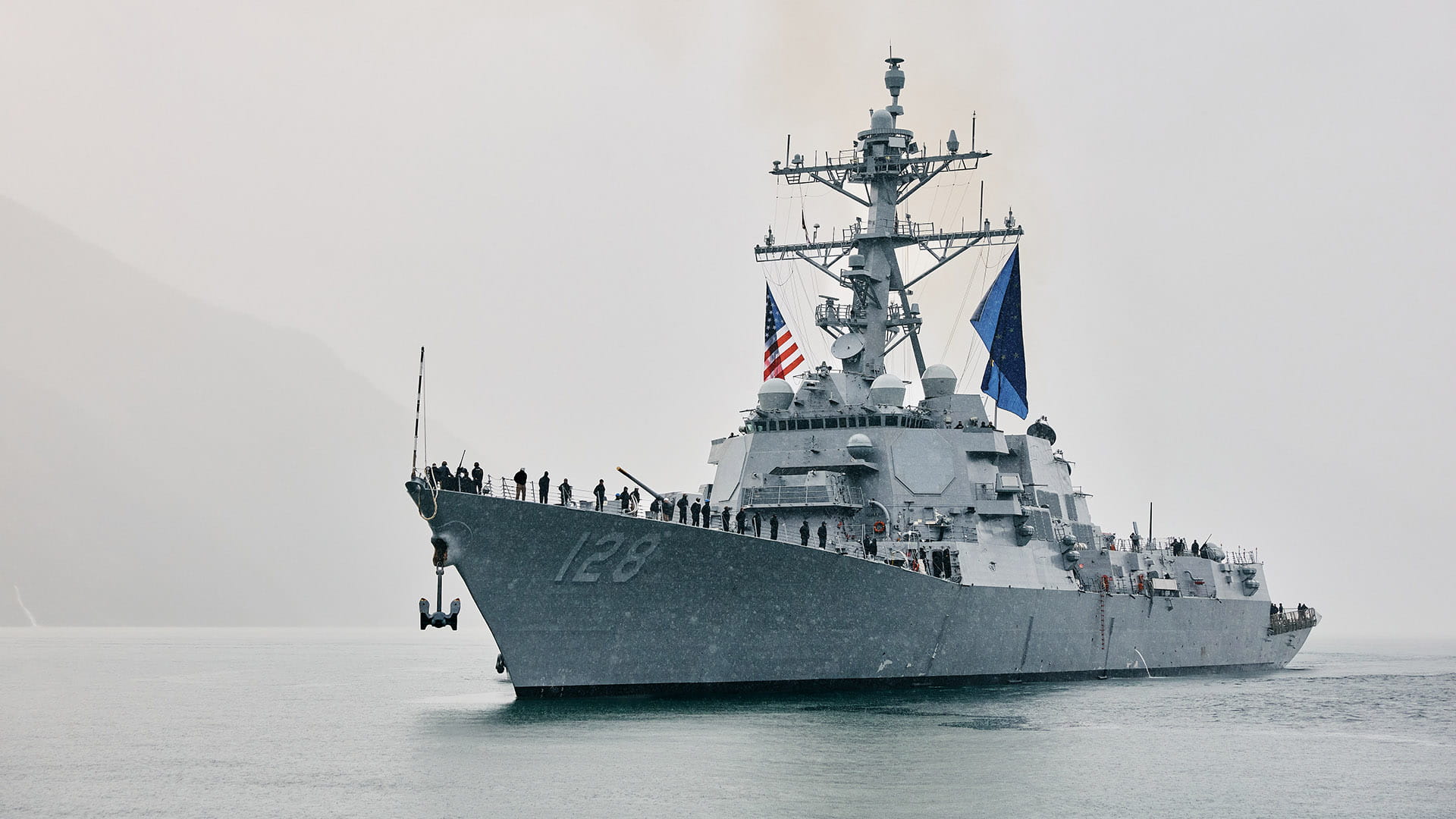
USS Ted Stevens, a newly commissioned U.S. Navy destroyer, has set sail under the protection of a Raytheon SPY-6 radar – a system built to defend against both traditional and nontraditional threats.
The Arleigh Burke-class destroyer is the fourth commissioned U.S. Navy ship to carry a SPY-6 radar, and one among many more in assembly and trials. That figure is expected to rise to more than 50 in the next decade, as US-allied navies see the range of proven protection.
Here’s a look at the radars’ capabilities – and the infrastructure Raytheon has built to deliver them at the speed and volume navies need.
Multimission to meet evolving threats
Modern navies face attacks designed to overwhelm defenses with volume and variety – ballistic missiles, cruise missiles, UAVs and electronic warfare platforms, coming in at once and from all sides. That shift demands sensors that see farther and classify threats faster.
The SPY-6 family of radars was engineered for exactly this environment.
“Our enemies aren’t just shooting one missile at a time. They’re sending hundreds, trying to overwhelm the systems on our ships. The fact that we can give our sailors a capability that will effectively defend against those threats is just incredible.”
John Tobin | Director of Naval Radars | Raytheon
Proven, ready-now performance at sea

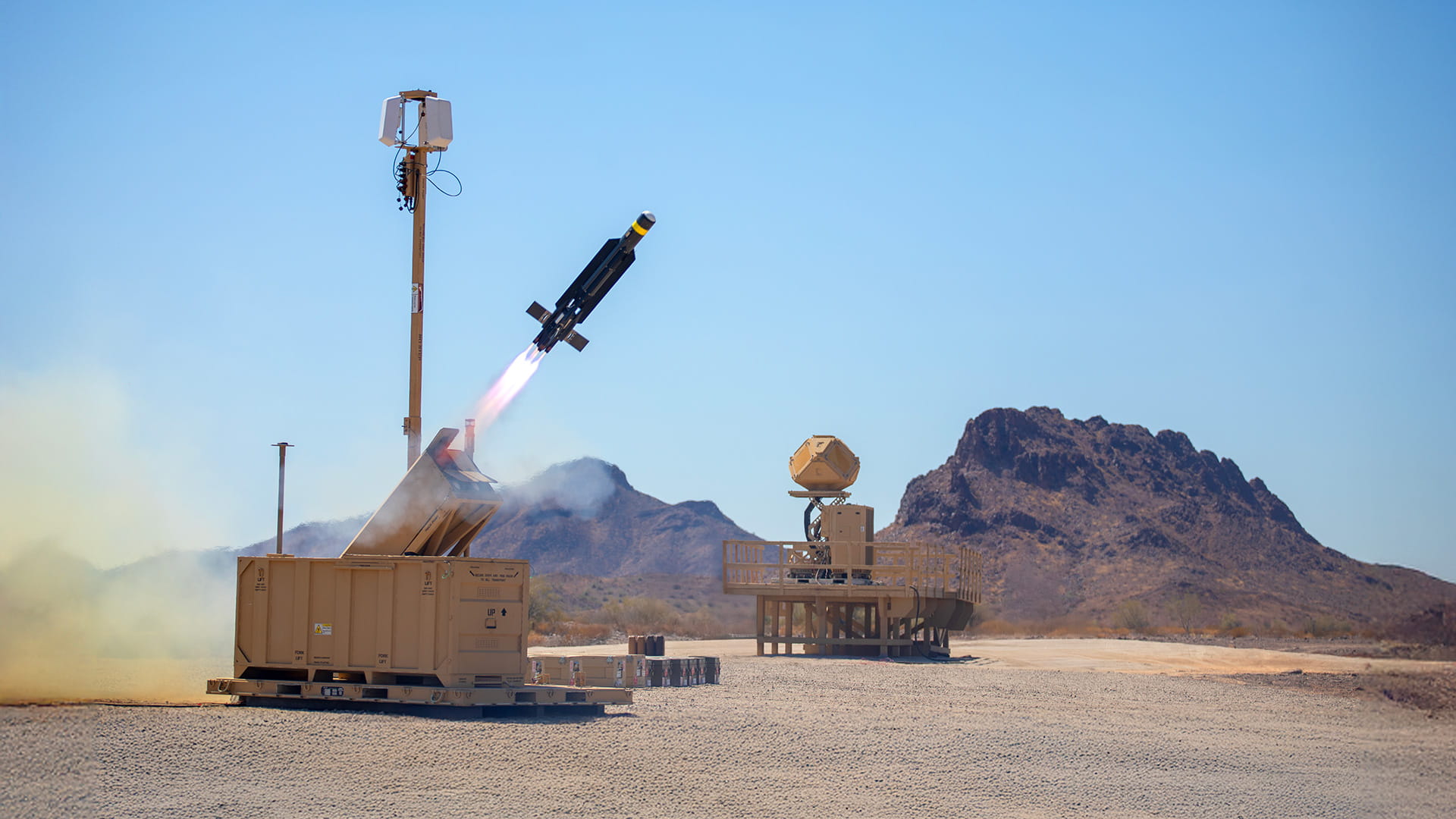
The Navy has made SPY-6 a program of record, indicating continued investment in the system. The radar’s variants are being fielded across the fleet and validated on land and at sea. Their testing record includes successful live-fire events on the Arleigh Burke-class destroyer USS Jack H. Lucas (DDG 125), and they are on track to complete 60 live firings in operational testing in 2027.
SPY-6 radars are versatile by design. They have the potential to integrate with multiple combat management systems – including those that U.S.-allied navies already have in place. The more SPY-6 radars in the operating environment, the better they can work together to widen the tactical picture and track incoming threats collaboratively.
Scalable and software-defined
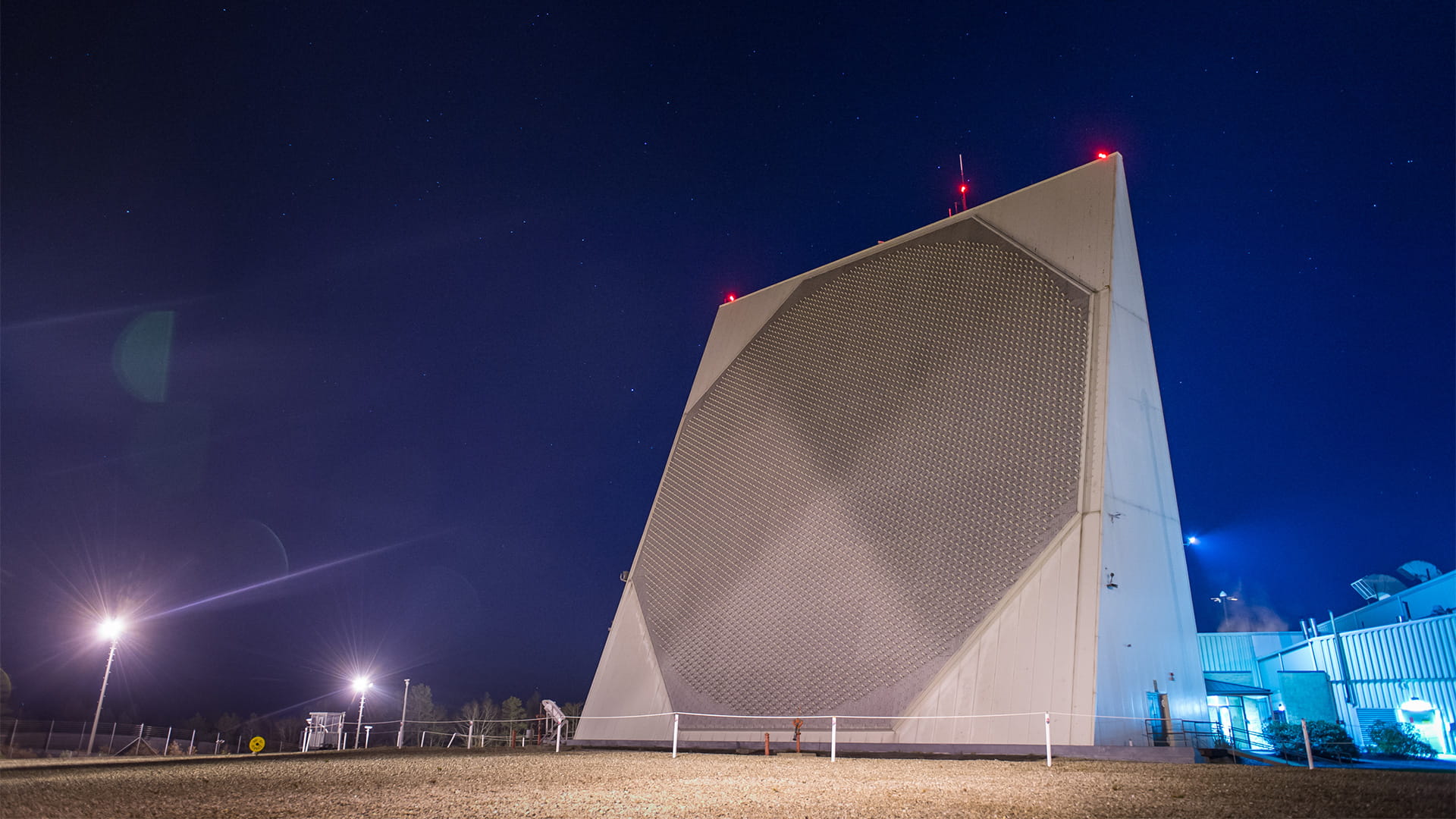
Every variant of the SPY-6 family has something in common: They’re all built from modular blocks known as RMAs, or Radar Modular Assemblies.
That means they can be scaled to different configurations, for ships of multiple sizes, classes and mission requirements – all while keeping the advantages of commonality for training, maintenance and sustainment. The design flexibility also means the radars can be built into new ships or retrofitted into the existing fleet.
Much of the radar’s capability comes from its software, meaning it can be upgraded quickly to address new threats without requiring a wholesale hardware replacement.
“We are just scratching the surface of what SPY-6 can deliver,” said Jen Gauthier, vice president of Naval Systems & Sustainment at Raytheon. “It has the capability necessary to meet the threats of today and can easily be upgraded to address the threats of tomorrow.”
Industrial strength and delivery
Raytheon has built a production infrastructure specifically for the radars, including an investment of more than $800 million in its manufacturing facility in Andover, Massachusetts. That facility is fully automated and vertically integrated, meaning it handles all aspects of production, assembly and testing.
SPY-6 is in full-rate production today, with plans to double production rates by 2028. The Navy’s commitment to SPY-6 ensures long-range upgrades, shared testing data, training, logistics and spares for allied partners. Annual buys will collectively drive lower total ownership costs and faster delivery on proven schedules.
“The investment we’ve made in automation allows us to build at high rates,” said Jason Rathbone, executive director of Naval Radars at Raytheon. “It reduces the cost of these products and improves quality and reliability. Most importantly, it allows us to scale capacity very easily.”